
A school nurse recently posed a question asking how she can learn to better communicate with parents and staff in a school setting and the conversation of “customer service as a nurse” came up. Communicating with parents, students, and coworkers is a huge part of being a school nurse, and even as a nurse or healthcare worker in any aspect. Agree or not but we are in fact a service industry and we are highly trained professionals here to help other humans get through whatever issue it is they are trying to get through. Our job is to help people and meet their needs.
I’ve also somehow landed on the side of TikTok where people are posting about their perceived bad experiences with healthcare and what they think doctors and nurses are doing wrong and it’s driving me nuts! Doctors not giving the medicine they ask for or the tests they think they need or not admitting them for the issue they think they have. Some even mad because they think they aren’t being monitored correctly, or they see the nurse dealing with something like documentation and think they are “ignoring” them, or people who want to dictate their care based on poorly researched ideas. They have no idea what’s happening or they have an expectation based on their “research” and when it isn’t what they expected they are upset.
I am all for people advocating for themselves – everyone should educate themselves about their own treatment courses and know about what medications they are taking and tests they are being submitted to. Everyone has the right to refuse (most) things, and they have the right to ask all the questions they need to before agreeing to anything. It’s difficult because while Google may give you specific answers about what certain lab or test results might mean, the doctors and nurses are trained and educated for years to interpret those things specific to the patient and the situation so things might not be what they think.
My initial thought on that is “oh but they just don’t know how things work so they complain because they don’t understand” which is all true but also there’s so much more to unpack with that.
An amazing response from another nurse to the question of “how can I learn to communicate better?” was that people just want to know what to expect. This rings true on so many levels. This is exactly the key to good communication with your patients, families and coworkers.
Nurse Noah Wiggins summed this up so perfectly I had to share:
“This is an interesting topic. While I have only been an RN for about a year, I was in customer service and management for the automotive industry for many years. In fact, it’s part of why I chose to make the shift into nursing. I have always noticed the comparison of nursing and customer service. Sadly, when I have told fellow nurses and administration that in realty nursing and healthcare is basically a combination of Customer Service and Skilled Trades (the skill being the nursing) people often get offended. As if that somehow belittles their role or education. When in reality it is a very accurate analogy. We have to wear so many hats as nurses but at the end of the day that patient is our customer and if healthcare treated patients like customers that have a choice, they would receive much better care. All that said I will share something I learned in the auto industry that is use every day in my nursing practice from a man named Jeff Cowan. “People want to know what is going to happen, or what might happen. If they do, they will be completely satisfied.” If people know what is going to happen or what might happen, they can make plans. I cannot think of an industry that this is truer than healthcare. We cannot assume that people know what we know, and we have to realize that there is a lot of mistrust in the public for healthcare, that if we are being honest is justified in many cases. So, over communicate, advocate, educate, set a standard and expectation, empathize and do not get hung up on the tasks of nursing over the people. This is a people business, and they have to come first.”
I used to get so annoyed when I would read the Press-Gainey reviews and comments when I was an ER nurse and labor nurse. There were so many complaints about things that patients just didn’t understand – having to get stuck multiple times for an IV or blood draw, having to wait to be seen, not liking the diagnosis or lack of diagnosis.
We have to remember that they don’t know what we know! We need to explain what we know in a way that they can understand and in a timely fashion. When I was an ER nurse I was trained by some amazing nurses and one of the things I was trained to do was to explain EVERYTHING. We had a speil for all the different visits and procedures and proceeded to talk through everything we were doing.
Putting in an IV? Here’s how IVs work, here’s how this specific style of IV works, here’s why I may have to try multiple times, here’s why we need to give you two IVs, here’s why I can’t put the IV in your hand or antecube, here’s why I need to take multiple vials of blood.
In the ER for abdominal pain? These are the tests we will likely perform, here are the things we are looking for and ruling out, here is the reason you can’t eat right now and here is approximately when you will be able to eat, this is approximately how long the tests will take to come back, if we are extra busy or a CT scanner or X-ray room is down then it may take longer. We always informed them that often abdominal pain is difficult to get a solid diagnosis and you may be going home tonight with no answers but at the very least we can rule out the scary things and the surgical things then work from there.
When a patient was there for something critical and wasn’t able to be receptive to the explanations (PCI, stroke, trauma, etc), they often had family members who needed to know because they were scared and didn’t understand. We always had a nurse or sometimes the chaplain stand with the family member and explain what was happening. Can you imagine how you would feel if your loved one was seriously ill and everyone was running around doing things and you have no idea what anything means or what’s happening?
In general, people want to know what you are doing now, what you are going to do, when they can expect answers, and what kind of answers might they be getting. Honestly, just keeping them in the loop makes them feel seen.
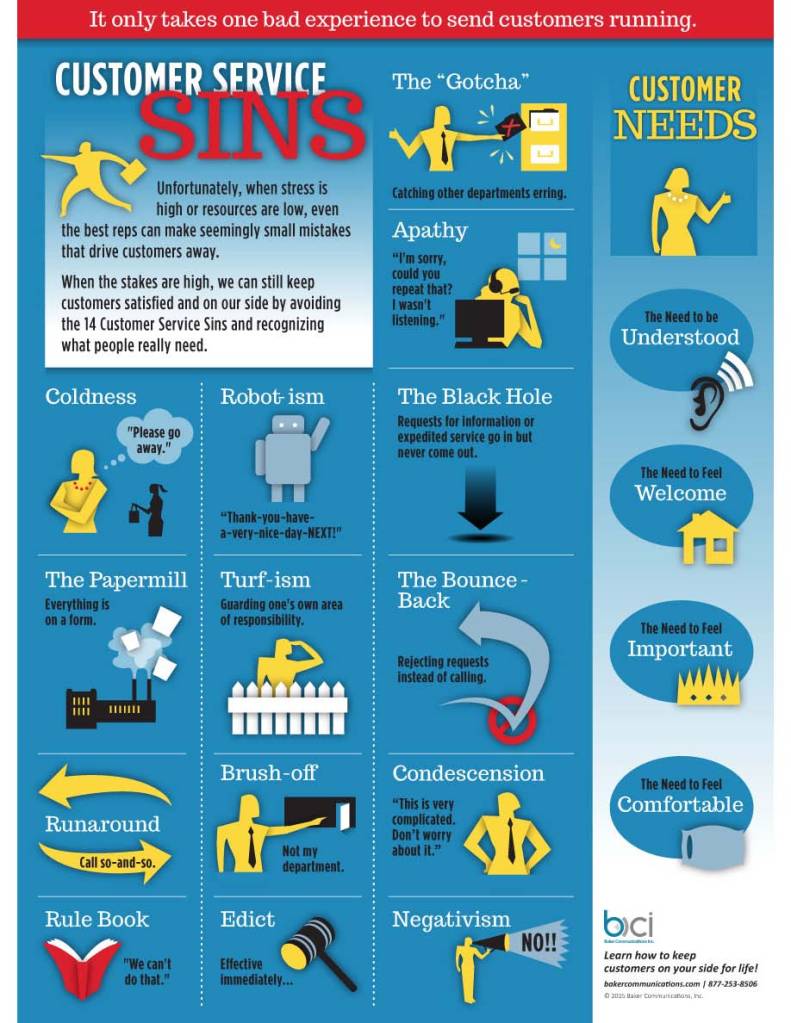
So how does this apply to us as school nurses? Most parents want to know all the things. Even if they don’t remember specifics, have things in writing for them to refer to if needed or to present in the case of questions. They don’t know what they don’t know, and they often don’t know what we know.
- Policies should be stated plainly and available in written form from the district/school.
- Keep parents updated on changing policies such as Covid management and immunization recommendations.
- Create newsletters explaining things like what happens if your child needs medicine at school? What happens if your child becomes sick at school? What happens if your child becomes injured at school? Present this information periodically and include it in registration info, back to school night presentations, kindergarten orientation, etc.
- Call them. If you’re ever questioning if this issue requires a phone call or communication err on the side of caution and call them, text them, dojo message them, email them, whatever, just give them a heads up. I have messaged parents because their child came to me complaining that they have an invisible injury but I know that that child will go home and tell their parent they fell or got hurt and no one let the parent know. I’ve had my share of irate parents that weren’t informed of an issue because to ME it wasn’t concerning but to them it was.
- Meet people at their own level. This calls back to “they don’t know what we know” as most of the people in your school don’t have the nursing training you have and don’t understand medical jargon. Speak to people with vocabulary they will understand. This also applies to parents and students who may not understand english well – learn what kind of translation services you can access to communicate appropriately. Assess learning level of students and parents – I’ve had parents that can’t read and I was sending home note after note that they couldn’t read. It wasn’t till I was at an IEP meeting for the student that I found out that the parent couldn’t read and I needed to be speaking with her directly because the notes were going unseen. Obviously students themselves are at varying age levels and levels of understanding so you would meet them at their educational level as well.
- Never be condescending and speak to people like they are stupid. Again, they don’t know what you know, they are all at different levels of understanding and education. Uneducated about a specific topic does not equal stupid.
- Encourage research into issues and provide resources to help them get the best information. Patients should be advocating for themselves and their care but they need to have the appropriate information to make the best choices.
- If applicable, ask questions. You want to know from them what they know about the topic already, what are their concerns and questions about it, you might even want to know where they get their info because you could be speaking to a parent who is a pediatrician and is well versed in pediatric healthcare already but just doesn’t know our specific policies. You might want to make sure that there aren’t any cultural or religious concerns that you weren’t aware of as a reason for certain choices. I’ve found that most of the time people would prefer if you asked them sincere questions regarding their culture or religious practices instead of assuming things.
- Listen and be empathetic. It’s not enough to just explain things, we need to listen to the patient/parent/student’s concerns and craft our responses with care.
- Remember that it’s ok if you don’t know the answers to their questions. It’s ok to tell the patient that you don’t know but you will look into the concern and find the answer for them or point them in the direction of someone who may be able to better answer.
- Always be kind. You don’t know what kind of day someone is having or what they are going through. There is no reason to be unkind or act irritated with someone’s needs. I know it can be difficult to NOT match energies with someone but try not to.
At the end of the day, we are in a customer service industry and we are here to help people. As Nurse Noah said, “do not get hung up on the tasks of nursing over the people. This is a people business, and they have to come first.”



 School Nurse Headquarters