Your Kid Has an Allergy: What the School Nurse Needs You to Know.

Update: I was searching online today to find out if Trix cereal is tree nut free (it is!) and found this website and ap that helps you find out if food has certain allergy ingredients! It’s so amazing! It’s called Spoonful. All you have to do is type in the name of the product and it will tell you if there are specific allergens in that food. You can also download the free ap and use it to scan the barcode on foods to get the info for everything from gluten, low FODMAP, nuts, eggs, dairy, etc!

Your child has an allergy to something and you have to send them off to school. That can be scary for many parents but we’ve got your back here at school! Here is some information your school nurse wants you to know about having allergies at school.

What is an anaphylactic allergy or anaphylaxis? Anaphylaxis or allergy to foods/medicines is a different issue than intolerance to foods or substances. When a person has anaphylaxis to a substance it means they have a true allergy which can cause their airways to swell and tighten making breathing difficult, blood pressure can drop causing them to pass out, they get itchy red hives all over or in different places, they may be coughing or vomiting.
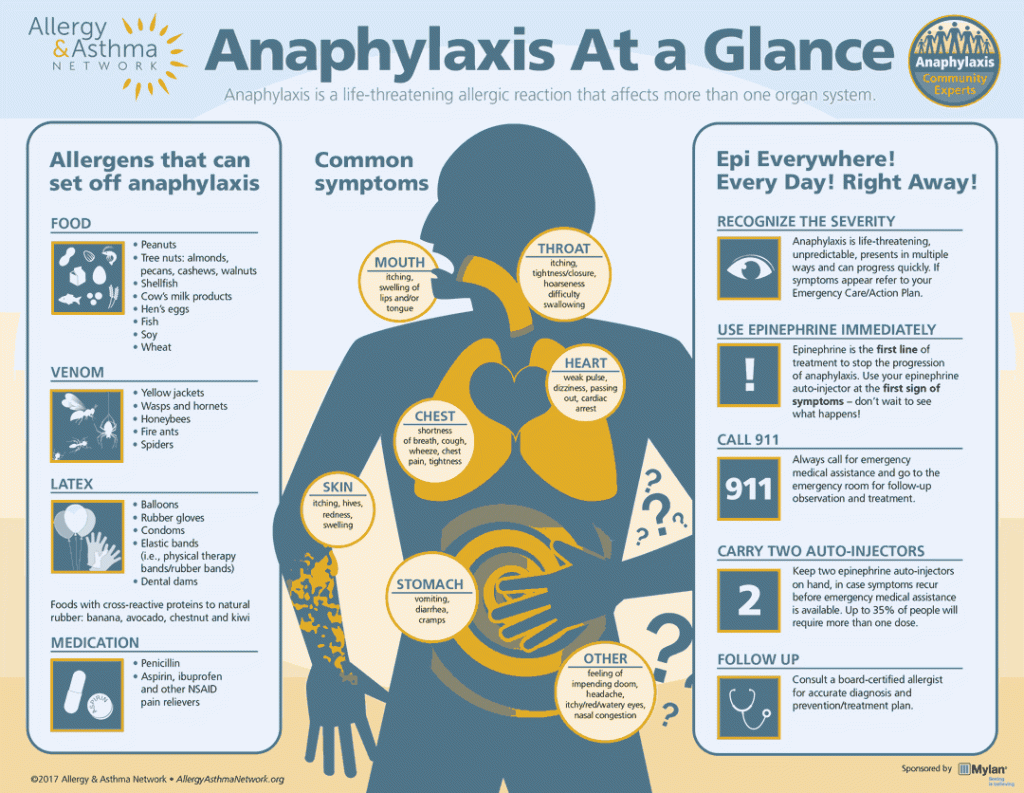
Anaphylaxis is a life threatening emergency that requires epinephrine as soon as possible to reverse the allergic reaction. Usually the allergic reactions tend to be worse with each exposure so the first or second exposure may be mild but continuing exposures can become worse each time.

An intolerance to a substance is generally unwanted side effects from a drug or food such as lactose intolerance versus cows milk allergy. Lactose intolerance means the persons body does not process the component of cow’s milk and can give them nausea, diarrhea, or upset stomach but rarely worse symptoms than that. A true allergy generally consists of the above mentioned symptoms. A person may be intolerant to a medication such as Amoxicillin where they have diarrhea or upset stomach or they may have a true allergy that involves hives and anaphylaxis. It’s important to know the distinction as each would be treated differently and intolerance is less emergent than anaphylaxis.

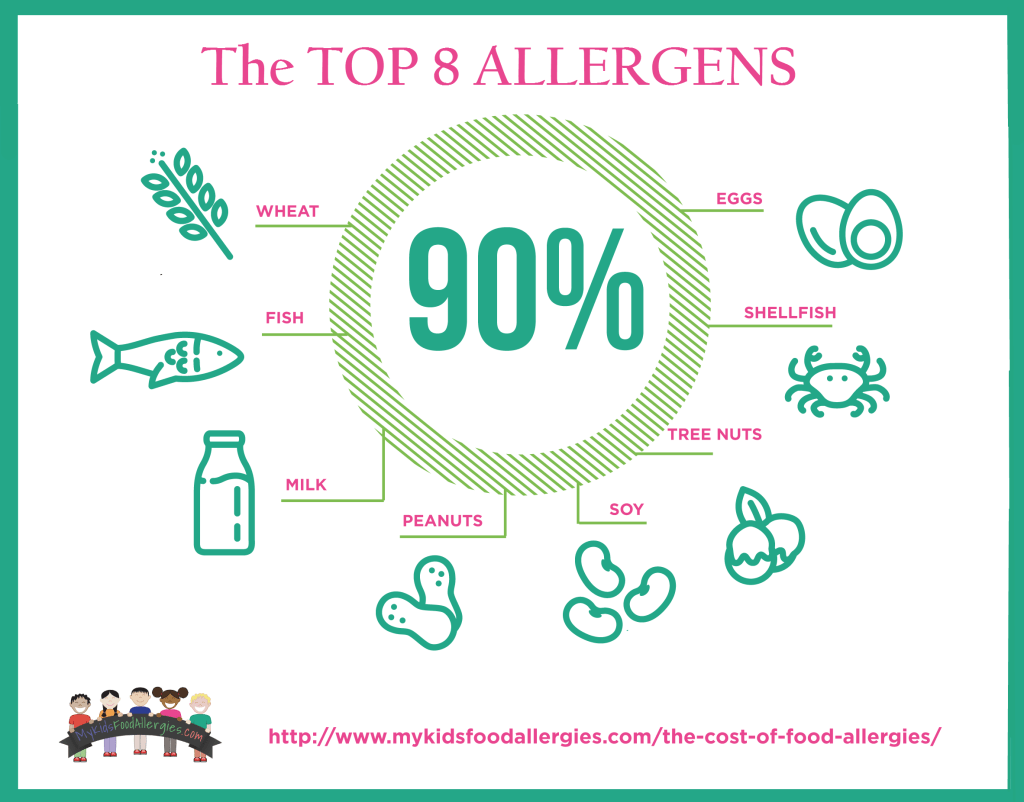
Common triggers for anaphylaxis can include foods like peanuts, various nuts, cows milk, eggs, some antibiotics and other medications, seafood, shellfish, strawberries, and various fruits and vegetables. There is no end to the substances that someone could be allergic to but these are some of the most common ones. One has to be careful to read labels and ask questions to be aware of the ingredients of certain foods as they may have an allergen in them that you were unaware of. One should also be aware if their food is cooked at or prepared in a facility or kitchen that is also using the allergen they are allergic to as the cross contamination could cause a reaction.
What do we do when someone has an anaphylactic allergy? In school, once the emergency is recognized, the Epi-pen will be administered as soon as possible – in my school the Epi-pens are housed in the nurses office and they would call me or radio me to get to the scene with it asap, older students would be allowed to self carry. In some schools the Epi-pen is with the student at all times and the student or the closest adult trained staff member will administer it. The second step is to call 911 because even if the reaction is reversed it can begin again so EMS is needed. If the doctor has ordered Benadryl we will also give that right away if the student is awake and able to take it. Someone will be calling the parent or guardian of the student immediately. The treatment, 911, and parent phone call can all be done at the same time by different staff members.
So what can you do when you send your child to school when they have an anaphylactic allergy to a food or substance?

  1. Communicate. You should let your child’s teacher know, let the school nurse know, let the administrators know, and you can even let the food service people know as well to avoid any accidental exposure at meal times. As the school nurse, I do provide the relevant people information about specific student’s allergies so everyone is on the same page and knows to be careful. This can be done with a phone call, email, or most importantly, a health form from a well check.
  2. Send an Epi-pen to school with your child and include the appropriate doctor’s orders as soon as possible. Check if your child’s doctor wants you to also provide Benadryl to accompany the Epi-pen (some do some don’t).
  3. Check if your child’s school has standing orders and stock Epi-pens – mine does not and the parents must provide it always but many schools have standing orders and stock Epi-pens.
  4. Always be sure to provide the school with correct and updated emergency contact information. If your child does have an allergic reaction we will need to get ahold of you right away. Your contact information and allergy information should be with the student in case of emergency so we can call you as soon as possible.
  5. Consider placing a medic-alert bracelet on your child so everyone is reminded to avoid exposure.
  6. Make sure your child knows what an allergic reaction looks/feels like so they know what to do in case of exposure. They need to know to tell someone immediately if they are able to (some reactions are too fast for them to say anything and some kids just don’t know that anything is wrong until they are in full blown anaphylaxis).
  7. Make sure that your child knows how and when to use their Epi-pen. Most of the time the nurse or adult staff member would be administering the Epi-pen as soon as possible but there may be occasions when the student has the pen with them and is able to react faster. They should know what to do. You can even make sure your child’s siblings and friends know how to recognize symptoms and how to use the Epi-pen (if they are old enough) just to be safe.
  8. Find out what the policies are at your child’s school for managing food allergies. Is the whole school peanut-free? Just their class? Just their special lunch table? Not allergen free at all? You can ask for accommodations for your child if the school policies don’t align with your child’s needs – most likely the teachers, admins and health team will be able to come up with a plan that works for your child.

For school nurses:

What can the school nurse do to help manage and/or prevent anaphylaxis in their school?

Organize your Epi-pens and have them clearly labeled and available so you can grab it quickly and run if needed. Over the door shoe organizers work well for this, or if you have the means they sell really nice medication storage units. I also found this simple cubby unit that would be perfect for storing meds at your fingertips.
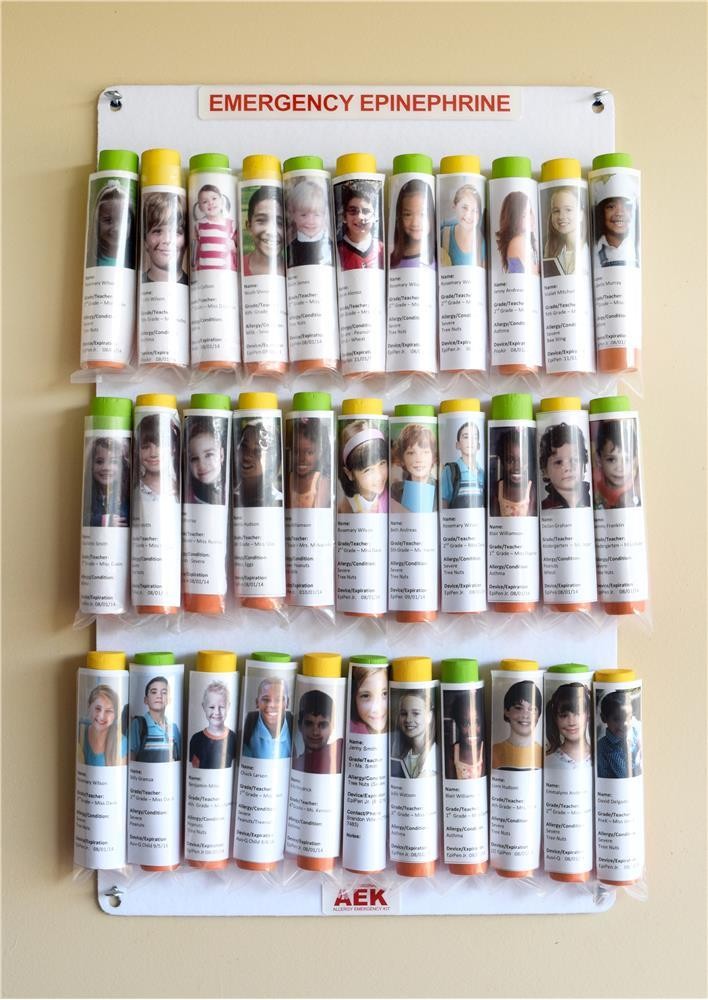
Keep all the parents information with the Epi-pens. Place a copy of their contact information, insurance information, health information, action plan, and anything else you might need to look up quickly with the Epi-pen so you can grab it all at once and not have to search for it.

Make sure your staff knows how to operate an Epi-pen, how to recognize anaphylaxis, and what steps they need to know to help manage an emergency. Education is crucial to recognizing and managing an allergic reaction quickly for optimal outcomes. Check out this presentation I made to educate my staff on how to use Epi-pens: Epi-pen

Educate staff on the procedure for handling an allergic reaction. They should know who to call, when to call, where the medications are and how to access them. There should be pre-established roles for who is calling 911, who is calling the nurse, who is calling the parent, and who is tending to the student. If this information is established prior to an emergency the management will hopefully flow better and have a better outcome. Think like a code situation – who’s wearing the red hat?

Make sure you provide the pertinent information about specific allergies to the students teachers, lunch people, and staff that needs to know. They don’t know what they don’t know so if they aren’t looking for it they might miss the beginning of a reaction or miss a possible exposure.

Establish a policy for your school for how exposure prevention to allergies will be handled. Decide if your facility will be completely allergen free – this works if you have multiple known allergies to one specific food (like peanut-free). You can have the students with allergies sit at a “safe table” in the lunch room but consider the fact that this has the potential to make the students feel singled out and possibly embarrassed (in my opinion embarrassment should be second to preserving life – if that is the best option for the students in your school then so be it). This is something to discuss with your administrators to decide how to proceed. In my school we do not separate anyone nor do we limit any specific foods due to allergies. We stay aware of the allergies and students are educated not to share food. Because my school is in a lower socioeconomic area, many students don’t have the choice to choose what foods they can bring and limiting their choices can lead to increased hunger in the students who don’t have allergies. The majority of my students receive the school lunches and breakfasts so the foodservice people are aware of who can’t have certain foods and avoid that. Also, the school meals are generally allergen free to reduce unintended exposures.

Sources: https://www.mayoclinic.org/diseases-conditions/anaphylaxis/symptoms-causes/syc-20351468

https://www.aaaai.org/conditions-and-treatments/allergies/anaphylaxis

https://www.epipen.com/en

Air Oasis

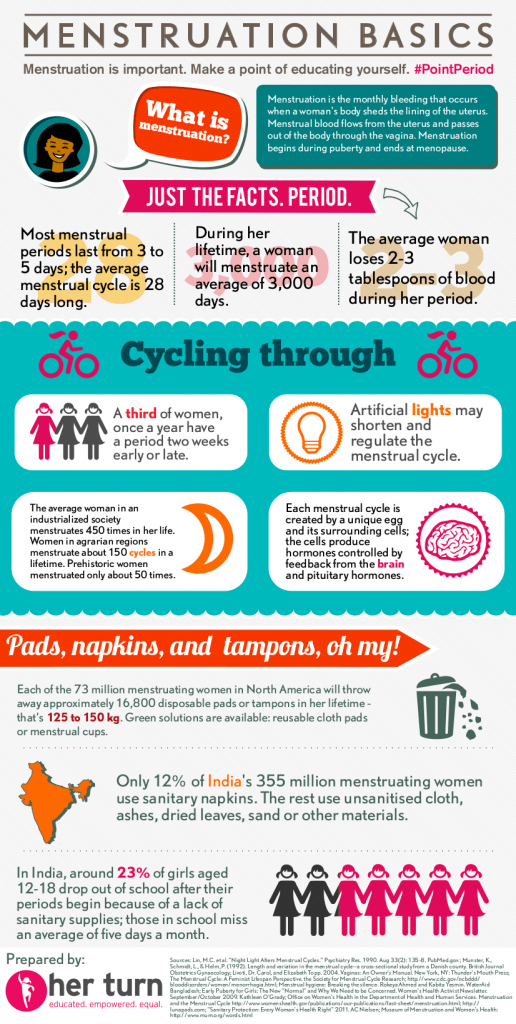
Periods: What the School Nurse Needs You Need to Know.

It’s happening. It’s about that time that your young lady has been waiting for. She got her period. It is a new phase of life for her full of questions, emotions, hormones, and anxiety.

What does the school nurse want you to know so we can all help her live her best life at school?

  1. Let the nurse and teacher know what’s happening. We can best support when we are in the know. We will always be happy to communicate with you and work with your child’s needs but we have to know what you/she needs. Are there any specific cultural needs regarding menstruation? Are there any specific health needs for your child that would affect menstruation? How is she feeling about it and does she need additional emotional support?
  2. Talk to your child about menstruation and make sure they understand how and when to change a pad or see the nurse, what cramps are, and what “heavy flow” is versus light flow. If you don’t know what to say, please let the nurse know and we will be happy to chat with your child about it (with your permission) and answer any questions for you and your child. You can even participate in the conversation if you want.
  3. Talk to your child about pregnancy and safe sex. Whether or not you like it, it is important information that they need to be aware of. They can absolutely get pregnant if they have started their period and they have unprotected sex. Talk to your sons about it too because they need to know.
  4. Talk to your sons about periods too. Boys should be educated because they will grow up to be men and they should understand how to be sensitive to the ladies in their lives.
  5. Provide an adequate supply of menstrual supplies for each day including spare pads, spare underwear, wet wipes (if you use those), and peri bottle (if you use that). Don’t forget a plastic bag or two in case of clothes change. If you don’t have access to supplies please let the nurse know so we can help. No one should go without these important supplies yet many do not have access.
  6. Encourage her to keep a spare pair of underwear and even a spare pair of pants in her bag or locker just in case of accidents. It’s embarrassing enough to get your pants stained where everyone can see it, but it would likely be equally as embarrassing to have to wear the nurse’s spare clothes. Equally as important – replace the spare clothes if they get used because the next time she might not have spare! If one has the means, they do make the new “period underwear” the helps to eliminate leaks and stained clothes which I’m told work well but are somewhat costly.
  7. The school nurse can usually give your child Motrin or Tylenol if they have cramps (assuming the specific school is allowed). Please communicate with the nurse about this if you have questions or concerns. I always call home and ask before I give medications but that may not be the policy for all schools. Follow your school’s policies and procedures if you want to send medication to school for your child.
  8. Consider a book or two that she can read at her own leisure such as this one: “The period Book: A Girl’s Guide to Growing Up”. or “The care and Keeping of You, The Body Book for Older Girls” – there is also one of these for younger girls too!
  9. Here are great articles from Kidshealth.org about how to talk to your child about periods: Kids health – Periods, and another article about puberty: Kids Health – Puberty

Aside from what the nurse needs you to know, I would also like to share some important tips and information that the school nurse wants your menstruating child to know.

  1. Decrease cramps: Consuming salty foods and caffeine can make cramps worse. While we do tend to crave salty snacks surrounding menstruation it unfortunately can make things feel worse. The science: Increased salt can cause water retention which can cause you to feel more bloated and increased bloating can cause increased cramps, plus increased bloating can just make you feel icky and uncomfortable. Skip the chips and soda during your period.
  2. Treat cramps: heating pads are amazing. The science: cramps come from the muscles in the uterus contracting and causing pain. Heat relaxes muscle and helps to relax the uterus decreasing the cramping. Aside from a heating pad you can also try a hot/warm bath at home or a hot water bottle.
  3. Treat cramps: Motrin/Advil/Ibuprofen (all the same thing). IF your child is medically allowed to take Ibuprofen then it is very helpful for cramps. The science: Ibuprofen is an anti-inflammatory and reduces pain and inflammation thus treating cramps well. Consult with your doctor prior to administering medications though, just to be safe.
  4. You’re not losing as much blood as you think. During the average menstruation cycle you only lose a few tablespoons of blood. The science: The “stuff” that comes out during your period is a mixture of blood, fluid, and tissue from the lining of your uterus. More often it looks worse than it is so try not to stress.
  5. You have a few options for supplies. Pads are the most common option, especially for younger people. Tampons are great but have a risk for scary things like Toxic Shock Syndrome or forgetting you have one in. Menstrual cups and discs are great but they can be difficult to use for some and may feel uncomfortable to some people. There is also the “period underwear” that absorbs – I’ve never seen one of these in person so I can’t speak to comfort but I’m told they are great (although maybe expensive)! they can be used for normal flow or extra protection from leakage along with a pad or tampon. Check with your trusted adult (mom, dad, doctor, school nurse) and decide what is best for you.
  6. Change your pad/tampon every few hours. DO NOT leave tampons in for more than 8 hours or so. Use toilet paper in the bathroom or the wrapper for the new pad to wrap the used pad and place it in a trashcan. Do not flush pads. You shouldn’t really flush tampons either but many people do.
  7. You may be irregular. When you are young and menstruation is new for your body it can take months or years for your body to be hormonally regulated. Your period may be every 28 days, or maybe you miss 2 months or it comes again after just 2 weeks. It might also be heavy one month then really light the next month. It might last 2 days sometimes or last 7 or more days another time. It’s all normal.
  8. Track it. There are tons of apps you can use to track when you get your period and how long it is. Personally, I like Ovia because you can put in a lot of information to keep track of. While that app happens to be one specifically for trying to conceive, it is also helpful for tracking your period, moods, symptoms, and many other things. You can also just track on your calendar or planner when it starts and ends. It’s good to know this info so you can be prepared for the next time with supplies, or if you are receiving medical treatment (like an x-ray) they sometimes need to know what the date of your last period was if you are of “child bearing age”.
  9. You’re likely to feel a rollercoaster of emotions from day to day because of hormones. If ever you feel very down and need to talk, find a trusted adult or friend and tell them. You are not alone and those bad feelings will go away.
  10. You. Can. Get. Pregnant. If you have started your period and you are sexually active, you absolutely can get pregnant. Do NOT assume that doing it just once unprotected is ok because it is NOT ok for so many reasons. Do NOT assume that just fooling around a “little bit” is ok because you absolutely can still get pregnant.
  11. Using a tampon or menstrual cup, while not always recommended for younger people, does not take away your virginity. Sometimes using one of those is necessary such as for competitive swimmers. Definitely check with your parent and/or doctor and ask if that is an option for you or if you should stick with using pads for now.
  12. Don’t be afraid to ask questions, this is all new to you. If you have any questions you should go to a parent or guardian, the school nurse, teacher or another trusted adult in your life.
  13. There is nothing to be ashamed or embarrassed of. Periods are a totally normal part of life that almost all females (and some trans males) have to deal with. Learning all the information you can should help you be able to adequately manage it.
Phases of the menstruation cycle

For school nurses:

Check out this awesome lesson about teaching puberty to 6-8th grades: Kids Health lesson

Check out all this great educational info about reproductive health info from Beyond The Pill: Beyond The Pill

Here is an interesting article about the lack of menstrual supplies in impoverished nations

Another interesting article about “period Poverty” and what some schools are doing.

The School Nurse: More Than Bandaids and Ice packs

“Oh, you’re a school nurse? So what do you even DO? Like just give bandaids and stuff?” I hear this all the time. The other big one right now is “Oh, you’re a school nurse? Must be sooo nice to be able to just sit at home and not work during a pandemic!” I could not be more annoyed with this thought process.

Yes, I am a school nurse. I am a certified school nurse which requires me to be a registered nurse with a Bachelor’s Degree in Nursing and many, many additional graduate courses in things like legal concerns, nursing policy, healthcare procedures, public health, immunizations, various computer programs, special education, healthcare management, pediatrics, teaching, alllllll of the health issues that children can face, and so much more. Presently, add to that the hoards of policies related to Covid management and mitigation within communities which are constantly changing. I am also just a few classes away from completing my master’s degree in Nursing Education.

Currently I am participating in virtual learning as my district is closed to in-person learning due to the pandemic. I assure you that I am NOT “just sitting at home enjoying my time”. Just like the teachers, I am out of bed at the crack of dawn drinking coffee and getting ready to work. I am sitting at my computer for hours a day managing my usual workload as if I was in my office at school. I’m calling people, texting people, emailing, tracking down information on immunizations, heath issues and well checks, following up on issues, and tracking and following Covid cases within my school community. I’m creating educational content for health related issues to share with my students, trying to keep up with the constantly changing protocols for my city/state/country in dealing with this pandemic, and trying to be supportive to my students and coworkers by learning as much as I can to keep them all informed.

Oh, and the meetings – Zoom, Google Meet, FaceTime, never ending meetings that I have to get dressed for so I don’t look like I’m struggling to survive. Just about the only thing I’m NOT doing right now is handing out ice packs and bandaids!

Now take all of the above and throw in being at home, with a toddler who needs to eat and be entertained and educated, a house and chores that need to be done, people who need to be driven places, holidays to deal with, pets to care for, and life in general and you will see that this is not all fun and games for the “just a school nurse”.

On a normal, non-pandemic/virtual work day I’m doing all of the above plus adding in bandaids and ice packs, the sprained ankles, the ambulance calls, the fights, the daily medications, the nosebleeds, the pooped and peed pants, head lice, child abuse, bed bugs, pinkeye, random rashes, periods, the hearing screens, vision screens, height and weight screens, the mobile dentist, the mobile vision team, the mobile hearing team, fire drills, lockdown drills, trying to get medications and forms from parents, trying to get orders for things from doctors, tracking down immunization records and well check records, making “house calls” to classrooms because so-and-so is having a seizure or a behavioral episode. Don’t forget all the clerical work of computer documentation, scanning forms, entering stats from the forms, entering the screening info, preparing and sending letters for all the failed screenings and then following up on those. I could go on.

It’s chaos on any given day.

So yes, it’s easier working from home for sure, and school nursing is easier and more enjoyable (to me) than the hustle of hospital nursing (have you tried emergency trauma nursing? Because I have and while I loved that too, it’s a fast burnout) but pandemic or not my job is far more than just bandaids and ice packs. I am not a health aid, I am not a CNA, I am not a parent volunteer, I am a well educated healthcare professional who works damn hard at her job. Before you assume that I am “just a school nurse” stop and consider what that even means.

Your Favorite School Nurse Has Been Swamped!

Has anyone else been just swamped with work since school started? I totally have been. I’m all virtual right now and working from home which poses quite a few problems as far as trying to organize and get work done while there are children and pets running around!

Navigating all the Google Classrooms, ClassDojos, Student Information Systems, Online Registrations, emails, online health forms, Google Forms, Zoom meetings, Google Meets, Professional Developments etc etc is all new and added things that I didn’t have to do before.

Throw in trying to decipher all the COVID protocols and procedures that are ever changing by the day, and I’m fried! Anyone else?

I just wanted to apologize to anyone looking forward to content from me because I haven’t been putting out anything good lately but that’s why!

I am going to leave you with some links to check out for various things that may be helpful to you. As always, check out some of my other posts for some good info too!

Here are some links to PPE that seems to be affordable and most importantly, IN STOCK!

Reusable Face Mask

aiden.health

Working on a new resume? This may help:

Rock my Resume

Need to try some self care?

Seelbachs (alcohol. come on, you know you need some!

This post contains affiliate links. If you use these links to buy something we may earn a commission. Thanks.

Don’t Insult The Nurse!

Does anyone else remember that time that the ladies on “The View” mocked the nurse turned pageant contestant for wearing a “nurse’s costume” with a “doctor’s stethoscope”? I was kind of mad. Here’s what I messaged them 5 years ago:

Dear Ladies of The View:

I’m sure by now you’ve see the error of your nasty, mocking comments regarding Miss Colorado, Kelly Johnson “just a nurse with a doctor’s stethoscope”.

I, among others would like to point out a few things to you. I am a Registered Nurse in an Emergency Trauma Center. When your father comes in having a heart attack it is the NURSES who get life saving IV lines, give life saving medications and RUN to the cardiac catheterization lab to give him the best outcome. When your son crashes his motorcycle it is the NURSES in the trauma room who perform life saving procedures, assessments, blood transfusions, etc. When you had a little too much to drink and fell down the stairs and broke your ankle and are in blinding pain, I’m the one there to care for you.

I work weekends, overnights, holidays, and extra shifts. While you are home Christmas morning with your children opening presents, having Thanksgiving dinner, going to soccer games, having Easter dinner, or simply seeing your children and families I am at the hospital caring for your grandma’s stroke, your daughter’s broken arm, your brother’s mental breakdown, your neighbor’s Heroin overdose, and your mother’s cardiac arrest.

While you are sitting around your table chit chatting about the latest fad diet, ombre hair color, or celebrity divorce I am at the hospital doing my job where I am vomited on, spit on, defecated on, urinated on, screamed at, punched, bitten, berated, and disrespected. I do not get bathroom breaks whenever I have to go, sometimes I have to hold it for hours. I rarely get a break to eat, sometimes a 12 or 14 hour shift with no break. After that, I have to rush home, get the children to school, grab a few hours of sleep and get up to do it all over again.

Do any of you know someone with Alzheimer’s? Do you know how difficult that can be for the patient, the family, and the NURSES who spend day in and day out caring for these people? To mock a nurse who works in an Alzheimer’s unit for doing a job that is so difficult and important is absolutely reprehensible. You should be ashamed.

I implore you all to spend just one day in scrubs in a memory care unit, or a busy emergency room, a hospice care center, or riding with an ambulance, and see just how “dumb” our job is. After that you need to have Miss Kelly Johnson on your show to publicly apologize to her for your disgusting behavior. After you’ve apologized your show deserves to be removed from the air.

I would hate to see how you would react if another contestant was a military officer, or a police officer and described their experiences. Pretty dumb compared to your job I guess.

Do You Need to Make an Individualized Healthcare Plan or an Action Plan?

One of the many jobs we have to complete as a school nurse is to make Individualized Healthcare Plans (IHP) for students. Remember nursing school when you had to make care plans for your patients and thought you’d never have to do those again once you graduated? You were wrong!

The IHP is essentially a care plan for your students with health concerns that might warrant one. You do not need one for every single student that has a health issue listed but you should have ones for the students who’s health problem may impact their education.

The IHP is different than a 504 plan. A 504 plan is a legal document between the student/parents and the school district that outlines accommodations for the student as part of the Americans with Disabilities Act (ADA). The purpose is to outline accommodations for the student who’s health concerns will impact their education whether it is a medical issue such as diabetes or a different issue such as ADHD. The student with a 504 plan may not be eligible for an IEP or Special Education but still requires extra accommodations to succeed. https://oley.org/page/IHP_IEP_Difference

The IHP is different than an action plan but some do use them interchangeably, or combine them if possible. I prefer to combine them as both are needed.

The IHP is a long(ish) term plan to manage a student’s specific health issue while in school. It should be redone per school year or if there are changes in the health status. It is basically a nursing care plan including nursing diagnoses, goals, interventions and outcomes. Once you’ve created the IHP you should consult with the parent and student (if possible) to agree upon the plan and hopefully get a signature on the plan.

If one has the means, they can purchase these books that not only has all the information for IHP planning but it also has software included to manage IHP’s on the computer. Click the picture for the link.


Another resource for IHP planning is NANDA International. You do have to pay to join the site and receive information (I am not associated with them). I am not a member but if you plan on really going all in with IHP’s then it is available for you. https://nanda.org

Here is a list of approved nursing diagnoses: https://challengesandinitiatives.trubox.ca/wp-content/uploads/sites/601/2018/12/Nanda-Nursing-diagnosis-list-2018-2020.pdf

And of course, The Nerdy Nurse has some very good information about NANDA: https://thenerdynurse.com/nanda-nursing-diagnosis-list/

The action plan is a file listing things to do in an emergency specific to the student’s issue. It should also be redone each school year or if there are changes to the information. This should include doctor information, emergency contact information, medications taken with dosages and timing, and any other pertinent information to manage an acute issue.

I prefer to retrieve pre-made action plan templates from the experts, or the student’s physician can provide one for you.

Asthma: Asthma and Allergy Foundation of America has the best action plans for asthma plus other resources and info. https://www.aafa.org/asthma-treatment-action-plan/

Seizures: The Epilepsy Foundation has the best action plans and resources for seizure management. https://www.epilepsy.com/learn/managing-your-epilepsy/seizure-action-plans

Diabetes: The American Diabetes Association has great resources to manage the care of diabetic students. https://www.diabetes.org/sites/default/files/2019-06/ADA%20Childcare%20DMMP.pdf

Hemophilia: While not super common, I’ve actually had TWO students with Hemophilia! this one is very important to have a good action plan for. Hemophilia Federation of America has all your resources for school management. https://www.hemophiliafed.org/for-patient-families/resources/toolkits/back-to-school/

Anaphylaxis: The Academy of Pediatrics and Healthychildren.org have plenty of info and good plans for students with anaphylactic allergies. https://www.healthychildren.org/SiteCollectionDocuments/AAP_Allergy_and_Anaphylaxis_Emergency_Plan.pdf

Please check out my TpT store for a blank IHP template: https://www.teacherspayteachers.com/Product/Blank-Individualized-healthcare-Plan-Template-6025502

Some of the links in this post are affiliate links. This means if you click on the link and purchase the item, I will receive an affiliate commission at no extra cost to you. All opinions remain my own.

Is It an Emergency: Covid -19 Edition.

Calling all the stressed out school nurses trying to navigate through the real emergencies, paperwork, screenings 504’s and IEP’s and minor injuries/illnesses! Are you inundated with kids who sneezed once or bumped themselves on a desk or door? Kids with loose teeth or dirty clothes? Now with the fabulous addition of Covid-19 to our workload what does that mean for us?

We school nurses have a ton to deal with all day. It can definitely get difficult to get through it all. An important helpful factor in managing your health room is communication with teachers and staff. Everyone needs to be on the same page.

Teachers and other staff have the right and the ability to triage students they are sending out of their classrooms and make a determination as to whether it is an emergency or can wait. They are allowed to tell the student with a stomachache to wait, or tell the student with a loose tooth to wait it out and stay in class. The goal is to keep the kids in class anyway right? When it comes to most issues like the cuts and scrapes, the loose teeth and the wet pants, the rules still apply but now we need to work even harder to keep the kids in class or with their pods so we don’t have too much “contamination” around the school, and especially in the health room.

You need staff to understand and respect your health room hours and allow you to wade through all the work you have for each day. One way for them to help you is to understand what things are actually an emergency and what isn’t. It’s understandable that someone who isn’t medical may not know how to handle possible medical issues but at the same time, they are teachers and they know the kids and can make that determination in most cases.

The first thing you need to do is to establish set health room hours and let everyone know. It can be tough to get everyone to follow the hours if you haven’t already established something like this. I have made multiple signs which I email out to the staff periodically and also have posted in multiple areas in my school – including my door. Your health room hours can be whatever works for you. If you need to give yourself two hours in the morning to get your screenings and computer work done and an hour or so in the afternoon to get documentation done then do what works. Some people are more comfortable having an open door policy or a locked door policy.

In our current climate, my plan and many others plans are to keep a locked door/appointment only policy. Some nurses have even installed a wireless doorbell (found here: https://amzn.to/3m5e1vL) on their office door for visitors. I plan to do the same. I have also created an epass in Google Forms (instructions here: https://youtu.be/LxlfPLPI0wM) so the teachers can send a pass to you and you can call to set up the appointment. Teachers can also just call you or radio when they need you. I also plan to modify my normal routine by meeting the students where they are as opposed to having them come to me so as to avoid having students leaving their pods.

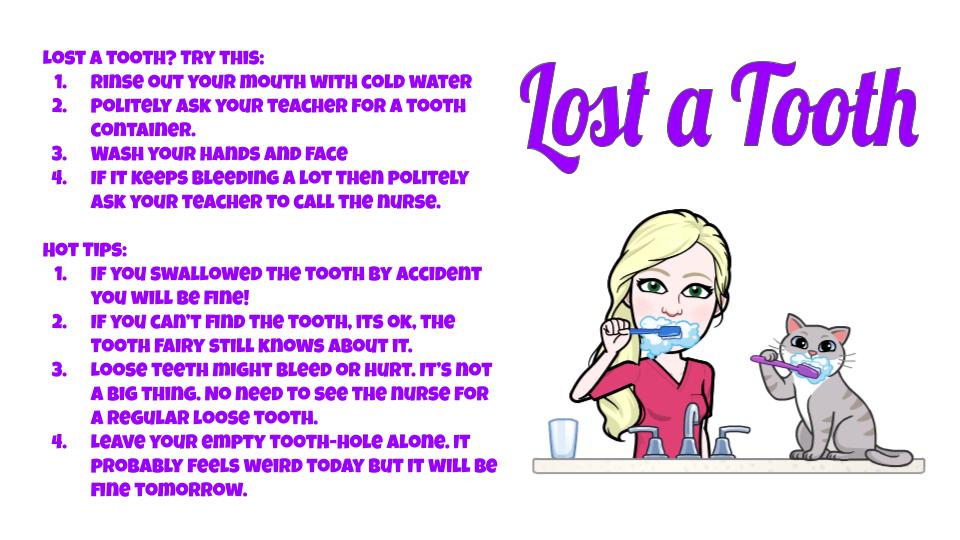
I have created an information packet for the teachers that lists common emergencies/health issues and how to handle them in class if possible. It contains things like managing a loose tooth, managing cuts and scrapes, or general non-Covid related issues. It also includes a section for what to do with Covid-suspected students though, just in case. See below a sample of that. I made it in Google Slides and used my own Bitmoji.

Sample of “First Aid for the Classroom”

Next, you have to establish what is considered an emergency and what is not. Understandably, many people who are not medically trained have no idea what is or isn’t an emergency and may think that everything or nothing is an emergency. You can communicate this information to all staff to help be sure everyone is on the same page.

Some examples of emergent reasons to be seen by the school nurse are:

1. Bleeding: excessive bleeding, difficult to control bleeding, needs more than just a band-aid. Paper cuts, small scrapes, etc can either wait until the nurse is available or a staff member can dispense a band-aid if one is available.

2. Breathing Bad: Short of breath at rest, asthma, wheezing. “Out of breath” from playing at recess or gym or sports is not an emergency. If a student is newly short of breath unrelated to normal physical activity then the nurse should be consulted.

3. Broken: Obvious broken bone, excessive swelling, inability to walk or use body part. Banged knees, bumped elbows, other minor bumps and hurts can wait.

4. Barfing: Vomited more than once, witnessed by staff, visibly ill. A kid who reports that they vomited in a trash can in the bathroom when no one was around and is obviously well is certainly not an emergent issue. Often they vomit from coughing, or little kids choke and have a bad gag reflex, or they get stressed out. Vomiting is not always an emergency or even always an indicator of sickness. Vomiting can be a sign of Covid however, so the nurse should be consulted for a case of witnessed vomiting, especially when associated with any other new symptoms.

5. Bee Sting: This is self explanatory. Bee stings hurt like crazy and should be handled right away, especially for a person who may be allergic to bees (documented allergy), or a person who is exhibiting symptoms of an allergic reaction (you might not always know they are allergic till it happens.)

6. Burning Up: Obvious fever, feels hot to touch. Fever over 100.4 should be sent home and stay home until 24 hours fever free (as a general guideline but some districts may have different rules). See link to Covid-19 guidelines from the PA DOH.

7. Big Bump: Witnessed head injures resulting in bruises, bumps, change in mental status or bleeding. “I bumped my head on a wall while in the bathroom/walking down the hall/etc etc” and they don’t have any concerning symptoms then it is safe to wait for the nurse to be available. Chances are, when they wait a few minutes they will forget about it.

8. Seizures: A student or an adult who is having a seizure should be addressed immediately. Call the nurse right away and note the exact time the seizure started so the nurse can time it. In general a seizure lasting greater than 5 minutes will require a call to 911 and possibly emergency medications if available.

9. Allergic Reactions: Someone who is short of breath, has hives, wheezing, facial swelling, tongue swelling, difficulty speaking, change in mental status, loss of consciousness, or has a known allergy and has been exposed should emergently see the nurse (or call the nurse to come to the scene). Hopefully the student has an Epi-pen if there is a known allergy but 911 and parents should likely be called depending on the situation.

10. Diabetic Emergencies/Management: A student who is a known diabetic and is experiencing loss of consciousness, changes in mental status (drowsy, confused, speech slurred) should be seen immediately. A student who is a known diabetic and feels that he needs a blood sugar check or feels unwell should be permitted to see the nurse immediately. A student who has scheduled times to manage blood sugars and insulin should see the nurse at the correct times.

11. Any student with a known medical condition that may require nursing intervention should be sent to the nurse as soon as possible.

12. NEW cough that is not related to known allergies or asthma exacerbation. If the teacher doesn’t know they should call you. As we all know, cough, shortness of breath and fever are our #1 symptoms we are watching for.

13. Fever over 100.0. The teachers are allowed to check a temperature if they want but those students should be referred to the nurse if there is a suspicion of C19. According to the PA DOH if a student has a fever they should stay home or be sent home and may return when they have either a negative C19 test, and/or quarantined for 10 days, and/or an alternate diagnosis.

Here are the Pennsylvania Department of health guidelines (and a LOT of other helpful info) for those readers in PA: https://www.education.pa.gov/Schools/safeschools/emergencyplanning/COVID-19/Pages/default.aspx. This site gives tons of resources and information on how to handle C19 in the school setting and sums up what to look for far better than I can!

I’m also giving you the National Association of School Nurses (NASN) page with all of their resources to help: https://www.nasn.org/nasn-resources/practice-topics/covid19.

What is NOT considered an emergency?

1. Potty Accidents: For my district potty accidents are not a nursing issue. The students should have extra clothes but if they don’t then parents should be called to bring them clean clothes. Check with your nurse to see what procedure is.

2. Seasonal Allergies: There is nothing the school nurse can do to manage seasonal allergies in school unless a student has medications that have been ordered by the doctor and the proper paperwork to dispense it. In general, if a student has allergies then it should be managed at home. A parent can always be called to address the issue if needed but it is not an emergent issue.

3. Mosquito bites/bug bites (aside from bee stings): In general, not an emergency. The nurse (in my district) can administer Hydrocortisone cream to an itchy bug bite but for the most part they have to wait it out.

4. Loose Teeth: Definitely not an emergency. A teacher is more than welcome to explain to a student that loose teeth are a natural, normal part of life and need no intervention aside from wiggling it till it comes out and the occasional mouth rinse if bleeding. Loose teeth may bleed, and they may be sore but such is life. Some nurses may be comfortable with pulling teeth but I choose not to do that as I feel it is a procedure that some parents may not prefer I do. It’s safer to just not do it.

5. Minor cuts and scrapes with or without bleeding: if the nurse is not available then the student can wait. If the teacher has bandaids then they may give one. A student may stay in class until it is an appropriate time to leave.

6. Dirty Clothes/got water on them/spilled food: This is not an emergency. Water dries, food can be wiped off. Chronically unkempt students should be addressed by the nurse and/or the counselor but it is not emergent to leave a class and manage unless the teacher feels it is an appropriate time.

Another idea that one could try is a “sick bench” for recess. In general students should not be leaving recess and lunch to visit the nurse as they have greater ability to wander or be away from their class without permission. Often, if they complain that they are sick at recess, have a tummy ache, or bumped themselves on something they can have a time out on the sick bench and take a break. You will notice that often waiting a few minutes cures them. Pain subsides, tummy aches from running around and playing hard will subside on their own.

A teacher or staff member has the ability to triage students health needs and make the call if they need to leave class right away and see the nurse or if they need to wait until the current lesson is finished before leaving. As always, everyone has the option to call the nurse and ask questions or discuss issues they have concerns about.

This is not an issue of “the nurse doesn’t want to see kids” but an issue of trying to keep the kids in their classes and cut out extraneous wandering about the school, and staying out of class. Our responsibility is keeping butts in seats as much as possible by keeping sick kids out and healthy kids in their classes.

With all of the added C19 guidelines, triaging does become a bit sticky at times. Remember, our job is not to diagnose but our job is to assess. We should be aware of what to look for in a suspected C19 case and refer them to their doctor of choice for continued care. Follow the algorithms put forth by your state’s DOH and/or the CDC and you can’t go wrong. Try to be as flexible and understanding as you can be and remember that the teachers and staff don’t have experience with this any more than most people – we are all muddling our way through this!

What Are You Doing as a Virtual School Nurse?

Is your district going all virtual for the start of the school year? Hybrid? Either way, we as school nurses have to make ourselves useful and indispensable during this unprecedented time. I’ve seen a ton of nurses ask the question “What are we supposed to do from home??” so I figured I would give a little information about some ideas.

The first thing you need is a few supplies. Do you have a computer from work? If you are doing any work that will involve private information like downloading immunization records you will need a district issued laptop for home as it is unwise to keep that info on your personal computer. You will need access to a printer and scanner, a laminator if possible (you can get one from amazon here AmazonBasics 9-Inch Thermal Laminator Machine). Then you will need all your basics like pens, notebooks (or find fun ones here: https://shrsl.com/2fmvr), highlighters etc.

To start out you’re going to work on your normal things we all have to do for the beginning of the year. I have a lot of new kindergarten registrations to wade through since it is normally done at the end of the school year but this year was obviously abnormal. For me this includes entering immunization records into the student information system, entering medical diagnoses, and identifying students who will have medical concerns I need to follow up with.

Immunization compliance: I realize that many states have relaxed the immunization rules due to virtual schooling but compliance and follow up is still necessary. I will be running a list of non-compliant immunizations (after entering all the kinders in) then using two websites (in PA I have PA SIIS and a city registry to look into) to cross check and fill in any missing info. Once that is done I contact parents to discuss any missing immunizations and set up a plan to get them or get the updated records if they are available. This may also include being aware of locations where students can go to receive the immunizations needed and informing them or assisting in getting appointments.

Individual Health Plans (IHP’s): Once I’ve identified all the kids with medical needs I can start to set up all the IHP’s for the ones who need them. I do them on paper at the moment but would be interested in a computer version or an app that would help make it all virtual.

504/IEP planning: I will identify any students that will need a 504 and begin that process. This will include speaking to parents and getting consent to proceed. I don’t have a ton of involvement with IEP planning but I will be in contact with the counsellor and Special Ed team to be included for any students who will need medical components to their IEP.

Along with IHP’s and 504’s, I will be contacting the parents of students who have documented medical needs to ensure that their needs are being met while doing virtual school. I will try to answer questions and/or counsel them related to their medical concerns.

Clerical work: I have TONS of scanning and filing to do. Not only did I not get to finish last years scanning and filing but I will have a continuing pile of things to scan and upload into my SIS and file into binders (yeah, I know, it’s supposed to be shredded but I can’t bring myself to get rid of stuff so I file it all in binders just in case.) If I have the opportunity to work from my building it would make this a lot easier but I can do some of this from home. Also, organizing everything to get started for in-person – binders for all the forms, substitute binder, ordering supplies, etc.

I will have virtual “office hours” for anyone who needs me to contact me via phone, zoom/google meet, email, text, etc. Whether it’s staff or students, they are welcome to contact me to discuss any needs or questions. I will be creating a flyer to announce when my hours are and how to reach me.

Google Classroom: I’m sure some have other platforms but I used Google Classroom in the spring and it worked well for me. I plan to continue that. I posted on my Google Classroom some general health and wellness lessons (kidshealth.org has a section for educators that has tons of lessons in areas of health!) I also posted videos for the kids for yoga breaks, meditation breaks, and even videos that I made myself to teach them things like mask wearing and hand washing. I also created a virtual health room which was a lot of fun. I used this video to help me: https://youtu.be/Y3ZiClcIYJs.

Webinars: look online for webinars about whatever interests you as far as school nursing issues, or covid related issues so you can be as educated as possible for returning to school. You can also search for and complete your CME’s if you need them – there are free ones out there if you look for it. Here is one free CME site you can check out: https://www.elseviercme.com.

BLS and other recertifications: Check on your certifications. Do you need to schedule your recerts? Get that done while you have the opportunity. You can do part of it online with the American Heart Association https://cpr.heart.org/en/cpr-courses-and-kits/healthcare-professional/basic-life-support-bls-training or you can find someone local to help you with it. Check with your local hospital also to see if they have a course offering.

Prepping bulletin boards and decorations: this is where that laminator comes in handy. I am a maker and love to design my own bulletin board stuff. I design it in PowerPoint or Google Slides and then print, cut out and laminate. One could also use a Cricut if they had one (I super need one! You can get one here: Shop Cricut) I also make printables, infographics and various things to put on my walls for decoration and education.

If I have any time leftover I will be available to help the other staff at my school get their work done, and help my other school nurse colleagues get some of their work done if I can.

Be flexible, do what needs to be done, help others out. There’s plenty to do and then some!!

**This post contains affiliate links. This means if you click on my link and purchase something I earn a small percentage. No one is obligated to purchase anything, I only include these links to make your life a little bit easier. enjoy!

I am a School Nurse and I am afraid.

I am a school nurse and I am afraid.

I am afraid of returning to my school after being closed for almost half of the school year and navigating a completely new way of doing my job. It’s like starting a new job all over again with no training.

I am afraid of returning to a building that may not have the physical updates to manage the new regulations that we need to follow such as good ventilation, infection control, isolation, and distancing. Many buildings lack the space for appropriate distancing, they lack good accommodations in bathrooms, they lack air conditioning, they lack windows that open and some need general repairs and asbestos abatement. When will this be done? Who will pay for it?

I am afraid of returning to a situation that is grossly understaffed. Do we have enough teachers for in person AND virtual learning? Enough teaching assistants? Enough custodial engineers to properly deploy the cleaning protocols created by the CDC to keep us safe? Are there enough nurses to go around? Are there enough substitutes to go around?

I am afraid of the expectation that as a nurse I will have all the answers all the time. There is so much information going around and while I can try to organize it all it’s impossible. I want to be able to educate my coworkers and students as a healthcare professional but how? The information changes daily. I’m overwhelmed.

I am afraid of going back into a situation that we aren’t ready for and seeing it all come crashing down around us. No one has a perfect plan – how could we?

I am afraid of seeing my students and their families getting seriously ill because we are together too soon. I am afraid of myself and my family getting seriously ill because we were together too soon. I am afraid of seeing my coworkers become ill and see their mental health suffer due to being together too soon.

I’m afraid of NOT seeing my students and knowing that some may fall through the cracks in a system that is already very broken and only going to widen the cracks in this “new normal”. I am afraid for my students that can’t escape their homes that may not be the friendliest, for the ones who have no homes and count on us for 8 hours of shelter, for the ones with special needs who need devoted attention and 1:1 specialist therapies. I am afraid for the parents who need the respite of sending their children to school so they can have a few minutes to breathe.

I am afraid for those who have to go to work and figure out how to homeschool their kids for however long they have to. While it is of course the safer option, many parents have to go to work and support their families. I am afraid for the teachers and school staff that will have to come in to work while having to figure out how to homeschool their own kids.

I am afraid for those who don’t take this issue seriously. Teaching the kids how to respect themselves and others by complying with the new rules must start at home. Sadly, I’m afraid that some won’t understand and some will choose not to comply because like it or not this is what’s happening.

I am a school nurse and I am afraid.

A School Nurse’s Thoughts on Masks at School and Bullying

Recently I’ve started to learn how to sew with a sewing machine and am practicing making my own masks (I’ll leave a link at the bottom with the sites that I’ve used to learn). So far I’ve made a few different kinds and honestly, they look awful but they are functional 🤷🏼‍♀️. They probably don’t look as bad to everyone else as they do to me though.

The one I made last night has the wrong color thread, some of the stitching is knotted (I could NOT get the sewing machine to stop getting caught up on loops of thread!!) and I used an old ribbed tank top for the earloops so the colors are hugely contrasted.

Anywho, I’m kind of proud of my masks. They aren’t the best but they aren’t the worst. So I wore one to Target earlier. I felt confident that it looked pretty good but then I got to the store and felt so self conscious about it!! It seemed like everyone was staring at me. It could have been because the mask is bright lemon yellow, could have been because it looks awful, or it it could have been my imagination.

Where am I going with this? My trip to target got me thinking about the kids returning to school and possibly having to wear masks. Is it going to be like a judgy mask fashion show at school? Kids have been known to be bullies over things like what brands of clothes other kids wear or what kind of “stuff” other kids have or don’t have. Many schools have had to turn to uniforms to combat that issue, or ban certain toys at school over too much fighting and bullying over it. My daughter’s school even had to ban folders and notebooks with pictures on them because of inappropriateness and/or fighting over who had better stuff.

There’s gonna be the kids with the fancy perfect, store bought masks with cute patterns or sayings, the ones with the rude inappropriate sayings or patterns, the kids with the disposable medical masks, the ones with the beautiful home made ones, and the ones with the awful but relatively functional home made ones, and maybe the ones who can’t afford masks so they have random things like bandanas tied around their faces.

I’m not sure what the solution here would be but I guess watch and see what happens then make decisions. Would we have to come to a decision to demand “uniform masks”? how would that work? Would schools have to commit to providing the masks that they want the kids to wear? Or maybe designate a specific color/colors that are allowed? I guess the uniform stores could get in on that as well too!

The obvious option here as well would be to teach the kids about not bullying and acceptance of all kinds but that takes time and patience. No matter what the solutions are this would of course be expected anyway.

I think in my own school this may become an issue – many of my parents can only afford the bare minimum so the kids will have what they have regardless of how nice or not nice it is. A solution for my kids would be more likely to be to combat the bullying and lots of education on acceptance. Also I think the majority of my kids understand each other and their situations and are pretty nice to each other for the most part.

In closing, I know that masks at school will be a trial and error process. It will be an interesting new twist on in person education. I’m keeping my fingers crossed that they don’t pose too much of a distraction for the kids in class!

Here is the pattern and instructions I used for making my face masks at home. It wasn’t too hard if you know how to use a sewing machine.https://www.craftpassion.com/face-mask-sewing-pattern/

Scroll down for some funny 👇🏻👇🏻👇🏻 😂

I don’t know who the owner is of this but it was posted in many Facebook pages and I thought hilarious and appropriate:

(Insert Name) please don’t snap (insert name)’s mask in their face.

(Insert Name) you should not be using your mask as a sling shot. Please put it on your face. 

(Insert Name) your mask should be on your face not on the back of your head

(Insert Name) your mask is not a necklace, bracelet, or any other form of jewelry. 

(Insert Name) please do not chew on your mask.

(Insert Name) I’m sorry your mask is wet but that is what happens when you lick the inside of your mask.

(Insert Name)I’m sorry you sneezed but wipe out the snot as good as you can. 

(Insert Name) no you can not blow your nose in your mask. 

(Insert Name)why is your mask soaking wet? You just came back from the bathroom? And you put it back on your face after you dropped it? 

(Insert Name)I’m sorry you broke the elastic on your mask by seeing how far the band would stretch but now you will have to hold the mask on your face or use this duct tape. 

(Insert Name)please take the mask off your eyes and watch where you are walking. I don’t care if you can see through it. 

(Insert Name)please take the mask off of your pencil and stop twirling it.

(Insert Name)I know the mask fits over your pants like a knee pad but please take it off of your leg and put it on your face. 

(Insert Name)what do you mean you tried to eat your lunch through your mask? 

(Insert Name)please do not share your mask or trade masks. I don’t care if you like their mask better. 

(Insert Name) I’m sorry but your mask is not school appropriate. 

(Insert Name)we are not comparing our masks to other kids masks… everyone’s mask is unique and special.

(Insert Name)no you can not decorate your mask instead of doing your work. I don’t care if you have a Sharpie. 

(Insert Name)you are not a pirate, please take your mask off your eye. 

(Insert Name) try to get the gum off as much as you can. 

(Insert Name)please do not use your mask to pick your nose. No you can’t use (insert name)”s mask to pick your nose either.

(Insert Name)I’m sorry you tripped but that’s what happens when you put your feet inside the elastic of your mask. 

(Insert Name) no your mask does not make it hard to get your work done. 

(Insert Name) your Mom will need to get you a new mask since you chewed a hole in that one. 

(Insert Name) you will need to go down to the nurse to see if she can get your mask out of your braces.

(Insert Name)why is there a shoe print on your mask? 

(Insert Name)no you cannot eat the snow through your mask. 

(Insert Name)I don’t care if you were in art class and being creative, we do not decorate our masks. 

(Insert Name)we do not beam other kids in the face with a ball. No, their mask doesn’t make it not hurt. 

(Insert Name)please do not plug your nose holes with your mask. 

(Entire Class) who is making that noise?

(Insert Name)I’m sorry your ponytail is stuck, that’s what happens when you see how many times you can wrap it around your mask. 

(Insert Name of parent)I’m sorry to tell you but

 your child thought their mask made them a superhero and so they tried to fly off of  the jungle gym at recess…

(Insert Name) I’m sorry your breath stinks in your mask, maybe we should all try to brush better. 

(Insert Name)please take those things out of your mask. No, you are not a chipmunk. 

(Insert Name) I don’t care if you are the teacher you still have to wear the mask.

Design a site like this with WordPress.com
Get started